
How to Floss Your Teeth
Flossing is an essential part of daily oral hygiene, helping remove plaque and food particles from areas between teeth that a toothbrush cannot reach.
What Is It?
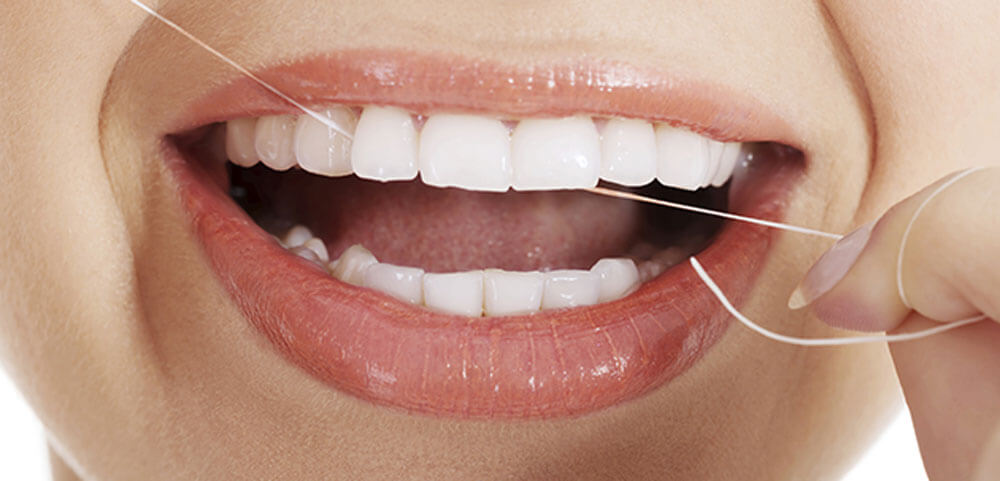
Flossing is the process of cleaning the surfaces between teeth and just below the gumline using dental floss or other interdental cleaning tools. These areas are particularly prone to plaque buildup because toothbrush bristles cannot effectively reach them.
Daily flossing helps disrupt bacterial colonies between teeth, reducing the risk of cavities, gum inflammation, and periodontal disease. While brushing cleans the visible surfaces of the teeth, flossing completes the cleaning process by targeting hidden areas where decay often begins.
Why It Matters?
Plaque buildup between teeth can lead to cavities and gum disease if not removed regularly. Even patients who brush thoroughly may develop dental problems if flossing is neglected.
Proper flossing helps:
Prevent cavities between teeth
Reduce gum inflammation and bleeding
Lower the risk of periodontal disease
Improve overall oral health and breath
Flossing is especially important for patients with tight contacts, dental restorations, or orthodontic appliances.
Prevention & Tips
To floss effectively:
Use approximately 18–24 inches of dental floss
Wrap the floss around your middle fingers, leaving a small working section
Gently guide the floss between teeth using your thumbs and index fingers
Curve the floss around each tooth, forming a “C” shape
Move the floss gently up and down along each tooth surface
Avoid snapping the floss into the gums
Use a clean section of floss for each tooth
Flossing once daily—preferably before bedtime—is the minimum recommended frequency, though flossing after meals provides additional benefit.
When to See a Dentist
You should speak with your dentist if:
Your gums bleed consistently when flossing
You experience discomfort while flossing
You are unsure if you are flossing correctly
You have braces, implants, or bridges and need alternative tools
Your dentist can recommend proper techniques or interdental cleaning devices tailored to your needs.
FAQ's
How often should I floss my teeth?
Flossing once daily is the minimum recommendation. Flossing after meals provides added protection.
Is bleeding normal when I start flossing?
Mild bleeding can occur initially and usually improves as gum health improves. Persistent bleeding should be evaluated by a dentist.
Can brushing alone replace flossing?
No. Toothbrushes cannot effectively clean the surfaces between teeth where plaque commonly accumulates.
What if flossing is difficult for me?
There are alternatives such as floss picks, interdental brushes, and water flossers that may be easier to use.
Should I floss before or after brushing?
Either order is acceptable. The most important factor is flossing consistently and correctly.