
Fluoride and Decay Prevention
Fluoride is a proven, effective mineral that strengthens tooth enamel and plays a critical role in preventing cavities in both children and adults.
What Is It?
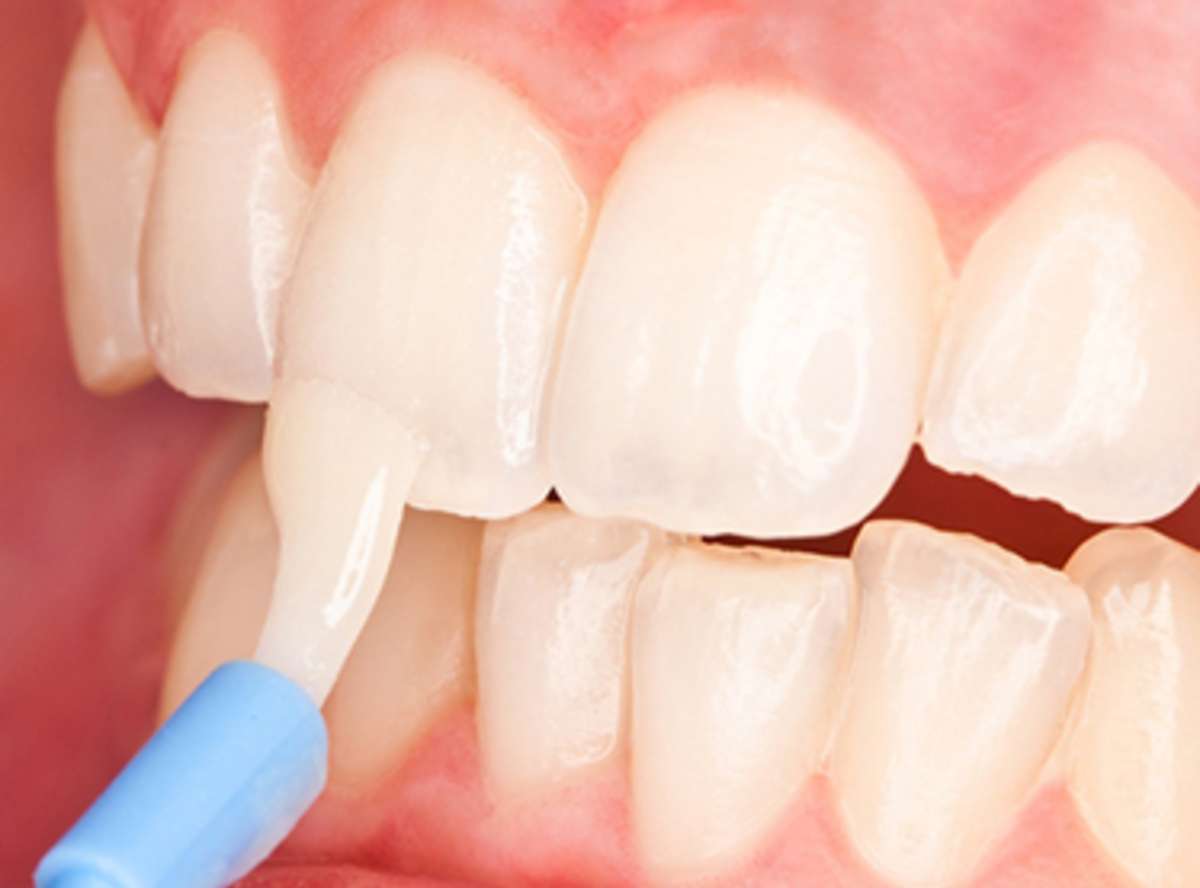
Fluoride is a naturally occurring mineral that helps prevent tooth decay by strengthening the enamel—the hard, protective outer layer of the teeth. Decades of scientific research have consistently shown that appropriate fluoride exposure significantly reduces the risk of cavities across all age groups.
During tooth development—from pregnancy through early childhood—fluoride becomes incorporated into the enamel structure, making teeth more resistant to acid attacks caused by bacteria and sugars. After teeth erupt, fluoride continues to provide protection by strengthening enamel and helping to repair early stages of demineralization before cavities fully develop.
Fluoride is commonly delivered through toothpaste, mouth rinses, professional dental treatments, and in many communities, fluoridated drinking water.
Why It Matters?
Tooth decay occurs when acids produced by oral bacteria weaken enamel over time. Once enamel is compromised, cavities can form, potentially leading to pain, infection, and more extensive dental treatment.
Fluoride helps prevent this process by:
Strengthening enamel and increasing its resistance to acid
Slowing the progression of early tooth decay
Supporting the natural remineralization process of teeth
Reducing cavity risk throughout a person’s lifetime
For children, fluoride is especially important during tooth development. For adults, it remains essential—particularly for those with dry mouth, gum recession, a history of cavities, or existing dental restorations.
Children benefit greatly from appropriate fluoride exposure. In areas where drinking water does not contain sufficient fluoride, children may be at a higher risk for cavities.
In such cases, your dentist or physician may recommend fluoride supplements during the early years of tooth development. These recommendations are based on a child’s age, cavity risk, and local water fluoride levels.
It is important that fluoride supplementation is carefully supervised to ensure safety and effectiveness.
Prevention & Tips
To maximize the protective benefits of fluoride:
Brush twice daily with fluoride toothpaste
Supervise young children to ensure proper toothpaste use
Use fluoride mouth rinses if recommended by your dentist
Maintain regular dental checkups and cleanings
Discuss professional fluoride treatments if you or your child are at increased risk for decay
Your dentist can help determine the most appropriate fluoride regimen based on individual oral health needs.
When to See a Dentist
You should discuss fluoride treatment options with your dentist if:
You or your child experience frequent cavities
You live in an area without fluoridated drinking water
You have enamel weakness or tooth sensitivity
You have gum recession exposing tooth roots
You wear braces or have multiple dental restorations
A personalized approach ensures optimal protection while maintaining overall oral health.
FAQ's
Is fluoride safe for long-term use?
Yes. When used at recommended levels, fluoride is safe and effective. Dental professionals carefully monitor fluoride exposure to ensure patient safety.
Do adults still need fluoride?
Yes. Adults benefit from fluoride throughout life, particularly to protect against root cavities, enamel wear, and decay around existing dental work.
Can fluoride reverse cavities?
Fluoride cannot repair advanced cavities, but it can help reverse early enamel demineralization before a cavity fully forms.
How often are professional fluoride treatments recommended?
The frequency depends on individual cavity risk. Some patients benefit from treatments every 3–6 months, while others only need fluoride during routine checkups.